Fixed vs. Removable Implant Supported Dentures
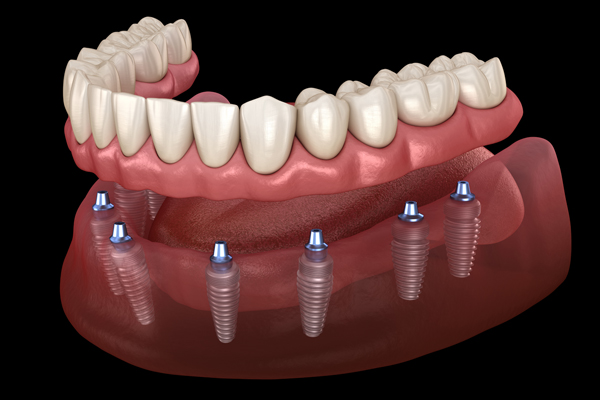
For patients missing most or all of their teeth, implant-supported dentures provide a stable, natural-looking way to restore a full smile. This approach anchors a custom denture to dental implants placed in the jawbone for improved support. Within this category, patients often choose between fixed and removable designs. Understanding how each option works helps patients and a general, family, or cosmetic dentist create the right treatment plan.
What are implant-supported dentures?
Implant-supported dentures combine multiple dental implants with a full-arch denture. The implants act as artificial tooth roots, and the denture attaches to them through specialized connectors. Since the denture connects to implants rather than resting only on the gums, stability, comfort, and chewing power improve significantly. This design also helps stimulate the jawbone and reduce the bone loss that often follows tooth loss.
Fixes implant-supported dentures
Fixed implant-supported dentures stay in place at all times and only come out during professional visits. A full-arch bridge secures to several implants using screws, dental adhesives, or other fixed attachments. Patients brush these restorations much like natural teeth and use floss aids or water flossers to clean underneath. This option creates a strong, permanent-feeling solution that does not move while speaking or eating.
The main advantages include excellent stability, a very natural sensation, and no need to remove the denture at home. Fixed designs often feel closer to natural teeth than any removable option. However, they typically require more implants per arch and careful planning to allow proper cleaning access. Good manual dexterity and consistent hygiene habits matter for long-term success.
Removable implant-supported dentures
Removable implant-supported dentures, often called overdentures, snap on and off the implants using special attachment systems. The denture stays secure during daily activities but can be removed at home for more thorough cleaning. This design still offers much greater stability than traditional dentures that rely solely on suction or adhesives. It also allows easier access to clean around implants, gums, and the underside of the denture base.
Removable options usually require fewer implants than fixed designs, which may reduce cost and make treatment more accessible. They also allow simple adjustments or relining if the fit changes slightly over time. Some patients appreciate the flexibility of removing the denture at night or for cleaning, while others prefer the always-in-place feel of a fixed restoration.
Choosing between fixed and removable dentures
The best choice between fixed and removable implant-supported dentures depends on several factors. A general dentist will consider each patient's:
- Bone quality and quantity
- Manual dexterity
- Hygiene habits
Budget, aesthetic goals, and lifestyle preferences also play important roles. A fixed option often suits patients who want the closest experience to natural teeth and feel confident with detailed home care. A removable overdenture may work better for patients who want easier cleaning access, fewer implants, or more flexibility.
Schedule a consultation
Both fixed and removable implant-supported dentures provide greater stability than traditional dentures. They support stronger chewing, clearer speech, and greater confidence in social settings. If you are missing teeth and would like to learn which option is most suitable for you, contact Progressive Dentistry & Facial Aesthetics.
Request an appointment here: https://www.progressivedentistryomaha.com or call Progressive Dentistry & Facial Aesthetics at (402) 850-2242 for an appointment in our Omaha office.
Check out what others are saying about our dental services on Yelp: Implant Supported Dentures in Omaha, NE.
Related Posts
Partial dentures are a great way to improve your smile, oral health, and ability to function by replacing missing teeth. It is helpful to have a full understanding of what partial dentures are and why they are often the more preferable treatment solution for patients to decide if treatment is right for you.This review defines…
Minor to moderate teeth stains can be removed with professional teeth whitening. However, to achieve ideal results, there are certain things to avoid after treatment, such as foods and drinks that can cause stains. The following overview discusses five things you should avoid to keep your smile bright after teeth whitening treatment.You can reduce the…
Professional teeth whitening sessions can get you the white set of teeth you have always wanted. It involves using products that contain whitening agents like hydrogen peroxide and hydrogen carbamide to oxidize stains and remove them. What is the difference between professional teeth whitening treatments and the countless products sold at drug stores, you ask?…
Dentists typically recommend delaying teeth whitening treatments when you are struggling with gum disease. Gum disease is a condition that is caused by a bacterial infection of gum tissues. This leads to an immune system response, causing irritation and inflammation. The result is damage to teeth structures and the tissues that hold them in place.Gum…